



In Berkshire County, Second Street Second Chances demonstrates the transformative impact of strong relationships on the experience of returning citizens. With support from a Re-Entry Workforce Development Demonstration Program, administered by Commonwealth Corporation on behalf of the Massachusetts Executive Office of Labor and Workforce Development, Second Street’s community navigators start inside the Berkshire House of Corrections before release, establishing relationships with individuals and training them for re-entry. “We work with them behind the wall to build a rapport and trust,” says Lindsay Cornwell, Second Street’s Executive Director. After release, Second Street continues to support them through their transition, with the goal of connecting them to steady employment.
As Cornwell explains, when individuals are released from incarceration, Second Street ensures their immediate needs are met so they can focus on adjusting to their new lives. This includes hygiene products, clothes, food, cell phones, and personal documents. Second Street also works with program participants to create a personalized re-entry plan that correlates to the amount and kind of supports they need. “It really depends on the person. Some are rebuilding from the ground up; some only need a little support. Individualized plans are more likely to be successful,” shares Cornwell.
"We also work heavily with partners to not duplicate services,” Cornwell states. Second Street provides case management and community resource navigation, as well as recovery groups. Community partners like the local housing agency and legal aid come regularly to answer questions and provide services. “Second Street works hard to create an environment where everyone feels welcome, supported, and served,” Cornwell says. Despite Berkshire County having historically one of the highest recidivism rates in the Commonwealth at 36%, Second Street’s recidivism rate is just 9%.
Relationships with the community are a key part of Second Street’s success. “We have a tight knit connection with local housing, as well as employers. It’s a small area, so having close relationships is important,” says Cornwell. With their focus on helping participants secure stable employment, Second Street works hard to get employers on board. “Employers realize they are missing out on part of the workforce, and this population can fill roles that are in high demand,” Cornwell says. Second Street connects participants to jobs in construction, manufacturing, healthcare, hospitality, food service, and more. They do outreach to local businesses, showing them how their programming builds reliable, committed workers.
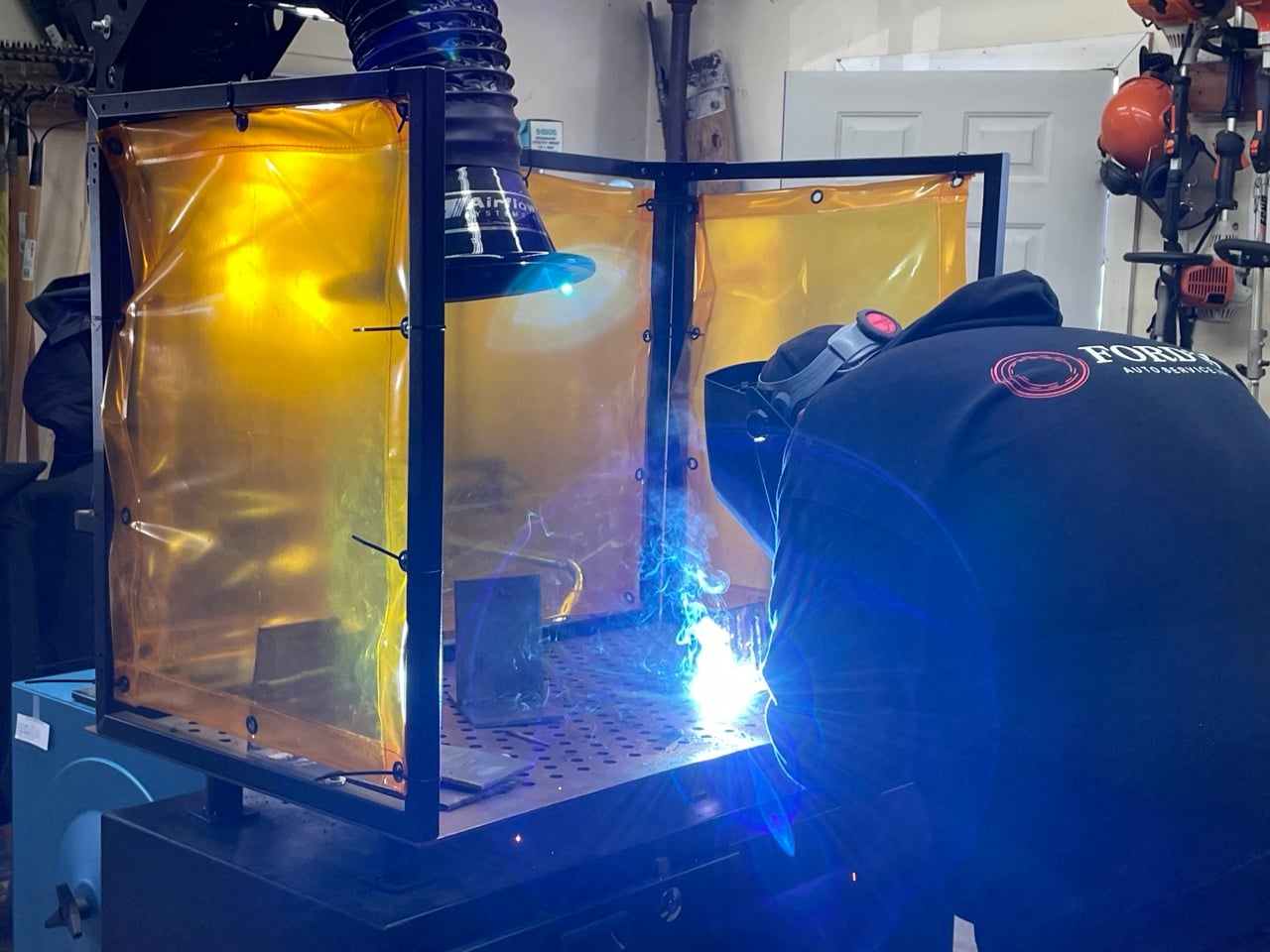
“We advocate for clients individually. We see them making changes and committing to the program, and we speak up for them to employers,” Cornwell shares. Employers know that participants receive wrap-around support, and that Second Street is always there when needed. Second Street also hosts workshops to ensure employers know how to read a CORI and make informed hiring decisions. “There are a lot of companies nearby looking for experienced machinists, welders, fabricators,” says advanced manufacturing instructor Mark Lausier. “Some employers have been very open to giving people with records an opportunity.”
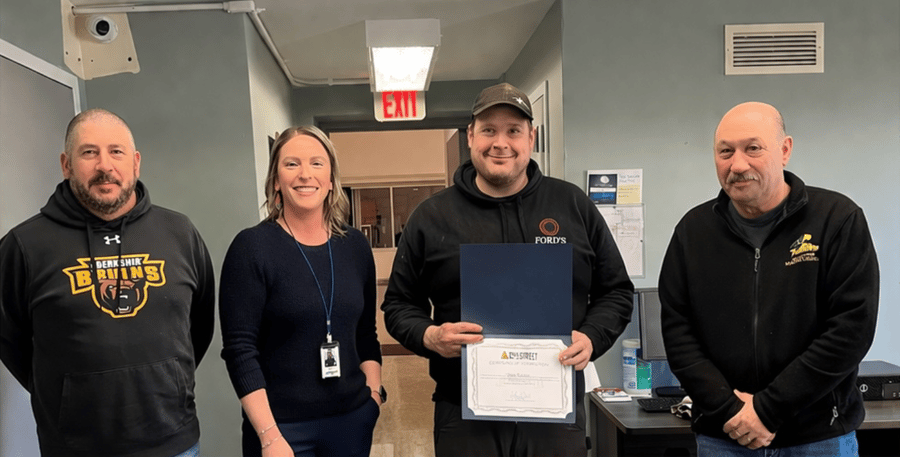
This process has helped people like Chad Graves secure employment and stay on track. When he was released into a sober living facility, Second Street supported Graves to secure key documents like his birth certificate and provided him with clothing and shoes. “They helped me register a vehicle when I could not afford it, and they helped me to get my license back. You can tell they actually care about your wellbeing emotionally and physically,” Graves shares. With prior experience in autobody work, Graves was interested in the trades. “He was ready to get his hands dirty. He had a strong sense of self, and he put his head down and did what he needed to do. He didn’t let anything get in the way of his goals,” Cornwell says.
Graves participated in Second Street’s advanced manufacturing and welding program and earned his OSHA 10, Hot Works, and MACWIC certifications. “The welding class was exceptional, and everyone involved was very helpful,” says Graves. These certifications include blueprint reading, metrology, safety, and work readiness. His instructor, Lausier, shares “Chad was a fast learner. He absorbed knowledge quickly and developed a real interest in welding because it applied to auto work.”,
Second Street supported Graves in the job search process, and a month and a half into the program he landed a job at Ford’s Auto Service. Graves received his 30-day employment retention stipend, is living on his own, and is clean. “Second Street is a very, very big part of my recovery, and I wouldn’t be where I am today without the help and services they provided,” Graves says. “I got my job and I enjoy going to work and fabricating things.”
To Lausier, the program fills a critical workforce need. “This is a really good program that gives people an opportunity to gain basic skills that are needed in the workforce in our area,” he shares. For Graves, the impact extends beyond employment. “If more counties had resources like Second Street, I feel like there would be a lot better chance for people in recovery to get back to living a productive life,” he adds. Cornwell sees the opportunity for greater impact. “People don’t just decide to go to jail. They face things that lead them on this path. They’re human. They’re artistic and funny, and they have stories. Pasts, trauma, addiction. They’ve been through a lot,” she says. "They need these opportunities and a second chance to have their feet on the ground.”
.png?width=640&height=360&name=THUMBNAILS%20(10).png)
.png?width=640&height=360&name=Blog%20+%20Constant%20Contact%20Newsletter%20Graphics%20for%20Team%20Spotlight%20%26%20Grantee%20Spotlights%20%20(14).png)